Showing posts with label Divorce. Show all posts

Sunday, June 29, 2008

Dismaying Story #123: More Than Just A Gap

I’m ba-aack!

My last Dismaying Story post was over a year ago. During that time my family and I moved to a different country and I’ve been working in a different profession with a more time-consuming lifestyle. Some things have not changed, however: I am still passionate about writing, about people, and about how we treat each other ... all the same reasons I started this blog to begin with.

So I have decided to begin posting again. The frequency will probably be closer to weekly rather than daily as before, but hopefully my former readers (and a few new ones) will still pop by and offer their insights.

Amazingly, reader traffic on this site is still steady after all this time, mostly from Google searches. I plan to post in the near future on which topics generate the most searches, but that is for another day.

I have also received a few email questions over the last year. Today’s post is based on one such question.

So, awayyyyy we go....

Dear Andrew,

I have just read Dismaying Story #42: When an Age Gap Doesn’t Work.

I was very touched by your reply to the lady who wrote to you.

I have been married 3 times. I am not sure why so many, I suppose I have always looked for love or just been rather silly in my choices.

I was married to my last wife for 19 years and have 2 lovely boys. But I think I knew from the start things were not exactly right. Anyway 19 years later she finally admitted she had never loved me but had been fond of me.

This resulted in me feeling so wretched and so lost. I had also had the 3 years from hell prior being subject to malicious and unsubstantiated allegations that lost us everything. Last year I fell in love with someone 33 years younger than me. Trouble is she is nearly 17 and the relationship hit the media and my wife capitalized with my partner’s mother to publish a whole lot of one-sided media reports. This had the adverse affect of what they intended and we are now living together.

In so many respects I have never been happier. But society and people judge so quickly and to suddenly be a social pariah is very very hard. In addition we are told my partner will change and will realize how stupid she was and I will lose her. Makes a positive belief very hard.

In your advice to the woman above you advised she heal herself and conquer her fear. I am seeing a consultant psychologist, he gives similar advice. But how can I move past needing approval where there is none to be got? How can one believe in one’s own integrity when it has all been ripped away so publicly?

I wonder if you can help at all. The only way out to me at times is death but this does not seem to be the correct answer.

Signed, Older Partner


Dear Older Partner,

First things first – death is never the “only way out” of a relationship. The fact that you include suicidal thoughts in your letter is disturbing. I urge you to seek professional help immediately, even if you don’t believe you were serious. Such thoughts are nothing to mess around with.

Beyond that, I must admit that I also found other aspects of your letter personally disturbing. Let me see if I have the math correct – she is 16, you are 49, and you are now living together as a couple. It is difficult for me to be detached on that score since that is exactly the age difference between me and my high-school-aged daughter. I am trying to imagine myself dating one of her friends and I just can’t get there. The difference is far too great for me.

It seems many lawmakers agree with me. Something on the order of a dozen or so U.S. states define 16 as below the age of legal consent. It’s no wonder her parents and your wife reacted with outrage and were successful in drumming up negative media interest.

As I try to think through your situation I constantly circle back to the questions of “why.” Why are you involved in such an unusual relationship? Why is your teenaged partner interested in being with someone older than many of her friends’ fathers? What has happened in each of your lives to make this relationship mutually appealing?

I have no way of knowing the answers to those questions, but your letter offers some tempting clues. You felt wretched, lost, like you had gone through hell. Then along came this young thing with needs you seem to fill. That makes you feel better because someone wants you, and you latch on. It is also tempting to assume that sexual attraction to a young woman just coming into physical maturity plays a role. Whatever the factors, there is almost surely more going on than just “I met someone with whom I am compatible.”

And what about her? Why isn’t she interested in dating guys who are 16, or 18, or 20? Is she confident in her self-worth? In her ability to sustain successful relationships? Obviously I cannot know but I bet there are serious emotional scars underlying her choices.

Could I be wrong? Sure. There is a chance the two of you just happen to have the characteristics the other needs to fulfill your lives ... but I believe the chances of that are extremely low. It is far more likely that the two of you have issues that have led you into a relationship many people find offensive.

Does my view seem hypocritical? In the post you mention above I am supportive of people who enter into relationships with more than a statistically normal age gap. There is a limit, however, to what I personally consider to be acceptable and you have apparently exceeded it.

I suggest you take a long hard look in the mirror and consider whether this relationship is really healthy for you, and especially if it is healthy for her. I bet if you look closely enough you won’t like the answers.

All the best,
Andrew
Read More ->>

Thursday, February 22, 2007

Dismaying Story #117: Escalating Verbal Abuse


Dear Andrew,

I am at a loss of what to do about my marriage. I am 23 years old and I have been married for about 2 years. Right after we were married, I had a couple of horrible moments where I realized that I shouldn’t have married this man. He would be kind and attentive one moment and cutting and impatient the next. I told him that I thought I had made a mistake in marrying him. Because of our religion, we believe marriage to be sacred and eternal. I knew that I had to do everything that I could for my marriage. My mantra became this, “Maybe we shouldn’t have married, but we did, and I love him, so I will make it work.” I begged him to come with me to counseling, but he refused.

Months went by, with small incidents turning into huge arguments. I began putting everything I did or said into a pretty package for him, hoping there wouldn’t be anything he could pick apart. It really seemed that nothing I did was enough for him. He began treating me like trash, verbally abusing and controlling me. If something didn’t quite go his way, he would stand close to me with his face in mine and say “Can you be nice, can you be nice” over and over without letting me get a word in edgewise. I didn’t know where to turn. I didn’t want to tell my family because I wanted them to like my husband and get along with him. Meanwhile he was telling me that if it came down to it and I had to choose between him and my family that I would have to choose him.

Finally it came to a head after Thanksgiving. We spent the weekend visiting his brother’s family and my husband got upset over some really minor details. Like what type of pickles I had bought for the appetizers. He held most of his anger in, but moped around all weekend. Finally when we were on the 5 hour drive home, he exploded. Screaming at me for hours about how I am an embarrassment to him in front of his family, calling me a “Nazi” and a snot and many other horrible things. I couldn’t even say anything, I just cried and cried. When we arrived home that evening, we both kept to ourselves. The next day I went to work and I decided that I would go home and if he didn’t realize that how he had acted was awful, that I would have to leave.

When I arrived home that evening, he told me that “we needed to talk” and began to tell me how I needed to change. I knew what I had to do and began to pack some of my things. When he saw that I was serious about leaving, he became scaring, his moods changing like the flip of a coin. One moment he was begging me to stay, the next moment he was yelling at me to leave. He even stood behind the car so that I wouldn’t be able to leave. I felt like I was in a Lifetime movie or something! My heart was beating so fast. I finally got away and ran to the car to leave. I have been living with my parents ever since.

This is where things get trickier for me. I really don’t feel like I should ever go back and be with my husband. I am ready to get a divorce from him today. We have been seeing a counselor together, and he has undergone some major adjustments. Making promises of never treating me badly and being the husband of my dreams. I feel nauseous when he says these things and when I think of being with him, much less having kids with him. Because of my religion, there is a lot of guilt associated with these desires for a life without him. I feel like I should want to be back with my husband, but I really don’t. I am happier without him than I have been in a very long time. I feel like I am myself again after so much time trying to be who he wanted me to be.

My husband is saying that he will wait for me forever, and that he will never break the promises that he made to me at our wedding. This really concerns me for my future, wondering if he will ever let me be. I feel like I have time to be happy in my life and I don't know if he can be a part of that happiness ever again.

I am at a loss for what I should do.

Signed, Scared for My Future


Dear Scared,

I’m so sorry to hear about the abuse you have had to endure. It sounds like you have so far done the only thing you can. The situation you described was escalating. It’s not a big stretch from in-your-face verbal abuse to physical abuse. If you had stayed with him, I believe the chances are very high that is what would have started happening.

You are right to be leery of getting back together with him. The behaviors you describe are dysfunctional and extreme. He is controlling, lacks all empathy for seeing things from your point of view, and cares only for his own happiness rather than yours. The “can you be nice” routine is particularly scary. This is an individual with serious issues.

And when did his behavior change? Only when he was threatened with not having something he wanted -- that is, when you left and he faced the prospect of losing you. So he came up with a strategy to get what he wants again, which is to make nice, say the right words, and profess undying love.

Now what is likely to happen if you give in and move back together with him? Well, that would put the two of you back in the situation you were in previously. He would again have what he wanted. I suspect (and obviously so do you) that he would be nice for a while, and then the situation would eventually disintegrate back into the abusive relationship you had before.

This isn’t just skepticism on my part. Instead, I base my doubt on the fact that he has not gone through a process to change who he is. Yes, the two of you are going through counseling, but that is to talk about the dynamic between the two of you. That discussion centers around his behavior toward you. In other words, the focus is on one symptom of his problem, not the cause of his anger and controlling ways.

His behavior doesn’t just spring up in isolation. He is a seething, unhappy person inside. I don’t know the reason but there has to be one (or several). Something in his past has taught him to be deeply afraid or distrustful inside (or something similar), and his outward behavior toward you is the strategy he has developed for dealing with it. His internal belief system makes him feel justified in acting that way. For example, “I know I can’t trust anyone to really like me and that includes my wife so I will get respect the only way I know how, which is to demand it.” That may not be his mantra, but that is one example of how a fractured spirit can show itself to the rest of the world.

I doubt very much your couples counseling has done anything to address his individual issues. That means his internal dysfunction is still there. He may indeed have the best of intentions in terms of how he wants to treat you in the future. Unless he gets help healing himself, though, eventually he will encounter enough stress to trigger the internal pain, at which point the abuse will begin again.

My advice is to refuse to get back together with him until he has individual counseling to ferret out his own demons. He needs to gain insight into what is truly behind his behavior, and most importantly he needs to gain closure on whatever fears from his past are lurking in the corners of his mind. He needs to say more than “I am motivated to treat you better now.” He needs to be able to explain what was behind his old ways and why he is no longer affected by those emotional forces. You need to see evidence that he is happier and more content with his self-image. It should be obvious to you that his entire outlook on the world has altered in a good way. That should be a prerequisite for getting back together with him.

All of that depends on him developing a desire to heal for his own sake. At some point this has to become about him, just him, rather than simply an exercise he is going through to get you back. Again, I doubt very much your couples counseling has even come close to meeting that criterion.

I have no idea how willing he would be to put in the effort required to find the right helping professional (they are not all created equal) and go through that healing process. Even if he were willing, there is no guarantee he would succeed. And even if he made tremendous progress, there is no guarantee his old demons wouldn’t reassert themselves at some point. I wouldn’t blame you if you decide the personal risk is too great, that your future is too important to allow it to hinge on his willingness and ability to heal. His behavior is longstanding and you may come to the conclusion that he will never truly change. If so, you should not re-enter an abusive relationship.

I wish both you and your husband good luck in finding a happier place.

All the best,
Andrew

Have you seen the Question of the Week? It raises the issue of whether couples can find ways to be happy together if they differ in some significant way. Check it out -- I would love to hear your opinion!
Read More ->>

Wednesday, January 03, 2007

Dismaying Story #98: After Her Gay Husband Left


Dear Andrew,

I was married for 24 years to a sweet, funny, intellectual guy with lots of talents. We had three children together, we traveled the world, and we were in the Peace Corps together.

Then one day, out of the blue, he told me he was gay. He had thought about it for 5 years and said I would now have plenty of time to get used to the idea. Within two weeks I received a bill for his HIV and syphilis tests (both negative). He began to wear strange clothes and get fancy haircuts. He brought his gay friends home while I was at work (with the kids there). His address book was full of appointments with a man I know to be gay. He wanted to stay married, but he wanted to go forth and be gay.

We stayed together for one miserable year and then divorced. Our last child was in high school and we were the talk of the town. Most of my friends deserted me. Our children suffered terribly. Both boys were often asked if they were gay like their father.

But here's the thing. I divorced this man eleven years ago. I have moved on in every logistical way -- have a job, am self supporting, have good relationships, and am close to my children. I understand he is gay and I think I have forgiven him. But on some level, I am still grieving. I ruminate about this and think of him every day with sadness and anger. I am often depressed. I can't even imagine a relationship with another man. He told me last year he felt he was not a part of the family, even though he is invited to everything we do. I blew up and wrote him a letter that must have scorched his mailbox.

Shouldn't I be over this by now? What else can I do to get over it? By the way, he is now HIV positive, to my sorrow and anger. Why would a man sell everything of value for gay sex, or is that the issue? How could a man place that over the value of a family, a long history, family unity, and everything else? I would appreciate any comments.

Signed, Still Grieving


Dear Still Grieving,

I’m sorry to hear of your pain. Everyone has their own pace for grieving and healing, so you shouldn’t feel bad because you have not yet found a way to resolve this within yourself.

There are multiple issues involved in his departure from your life. The first is garden-variety rejection, which is devastating all by itself. He wanted you, enough to spend many years with you and create a family ... and now he doesn’t want you anymore. He wants someone else, maybe even several someones. That hurts.

Your ex-husband has gone further by saying he isn’t part of the family, even though he is still father to your children. This is another loss for you. Many divorced folks continue to co-parent, even when one is gay or lesbian. This strikes me as either (a) selfish on his part, (b) a reaction to extreme stress on his part as he searches to understand his own identity, or (c) a combination of both. I suspect (c) is most likely the case. Whatever the reason, it adds to your emotional burden.

Then there is the revelation that he is gay. This is difficult for many people to understand and I believe this is the primary reason you have not been able to come to a full resolution, even after several years have passed.

Focusing on sex is a common reaction when someone close to you comes out of the closet. After all, many people identify this as the one aspect of the gay lifestyle that would be most unfathomable for themselves. In your case you might be able to imagine yourself having dinner with another woman, sharing an apartment, or even walking down the street holding hands. You may have done all of the above with a roommate or relative. But the thought of stripping off your clothes and getting hot and sweaty with someone of the same gender? Many heterosexual people find that image foreign to say the least.

Sex can be a powerful motivator for some people, and I have no way of knowing how much of a factor it was (or is) for your husband. Clearly, though, identifying yourself as gay is about much more than sex.

Turn the situation around and ask yourself this: was sex the primary reason you chose to get married? Or was it a combination of companionship, physical attraction (which includes sex but also more), desire to have a family, and a wish to share a bond of togetherness with someone to whom you are attracted? Of course; it was a combination of factors. The same is true for gays and lesbians. Since sex is not the primary defining characteristic for your relationships, it seems unreasonable to assume it is for others.

This is not simply a matter of him choosing fleeting pleasures over the things you believe to be important in life. Rather, it is analogous to the yearning you would feel if you were raised in a society of lesbians and you came to realize you would rather be married to a man.

That doesn’t explain or excuse his choices to act on the yearning while you still have a child in school (some people might have chosen to wait, others would have found the wait excruciating) or to isolate himself from your family, but hopefully it helps you understand how he could yearn to make the change.

To help quell your feelings of grief, I suggest you examine your judgments about the two lifestyles. You clearly think of his former family life as valuable and good, while his current lifestyle seems less so. You need to recognize that you are making judgments from your viewpoint, which is different from his. To him, his new lifestyle offers such significant advantages that he was willing to endure significant costs to achieve it. (Don’t for a second think is was easy for him to admit that he was gay or to make such radical changes to his life.) Even if you can’t understand those advantages (and admittedly, his HIV positive status likely makes it more difficult and sad for you to do so), you should try to accept that they are real and valuable to him.

You may never get to a place where you are completely comfortable with his choices, but hopefully these realizations can help diminish the constant anguish and wondering that you are going through. Perhaps a greater understanding from his point of view might help stop that never-ending loop playing the question “Why?” in your head.

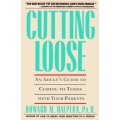
You might also try reading a book such as the one I feature at the top of this article (the image is linked to Amazon). I wish you the best of luck finding a greater measure of peace over this issue.

With warmest regards,
Andrew
Read More ->>

Monday, January 01, 2007

Dismaying Story #97: The "Untainted" Woman

Dear Andrew,

One year ago, at the age of 41, I married a man that I had been with for 5 years. Those years were tumultuous, full of growth that was brought on by a lot of arguments. Somehow, we decided to marry, thinking we could continue to grow into a healthy relationship. This is my first marriage, and his second. I had not had a lot of intimate relationships before this, and he has had many women in his life. He says that one of the reasons he chose me is that because I am "untainted" in regards to men.

I have some insecurities that are based in my childhood. I have worked to grow past them and have done a relatively good job so far, with a bit more traveling to do. The big problem is that I cry. I cry when my husband says something that hurts. This further irritates the problem between us. He gets angry, which makes me cry more.

When this happens, he will reach out to other women via the internet (not meeting them in person, as far as I know). He tells me he is not getting his needs met emotionally from me, so he seeks that out elsewhere. I call him on it, he denies it at first, then admits that yes, he is chatting with other women. He says it is a "distraction". Of course, this does nothing but to make me feel more insecure.

I need to learn how to deal with my insecurities and how they feed into the problems we have in our marriage. I also need to make the tough decision as to whether I should leave the marriage, and more than likely spend the rest of my life alone and bitter. This man has a lot of qualities that I admire. I searched far and wide to find someone that met my very specific criteria for a mate. When I met him, I felt he was the one I wanted to be with.

My questions for you:
  • How does a woman meet the needs of her husband emotionally?
  • -From your perspective on the limited information I have written here, am I wasting my time in this marriage?
I did not marry to get divorced, yet this is causing a lot of stress in my life that is affecting me in other areas.

Signed, Wondering What to Do


Dear Wondering,

I have been wandering around on this planet for quite a number of years now and to the best of my knowledge I have never met a tainted woman. The fact that your husband views women who have had previous relationships as somehow spoiled or corrupted as a result ... well, that seems bigoted and highly conceited.

When you display distress (crying) it makes him ... angry? I understand it would be stressful and frustrating for him when you display emotion he doesn't understand and therefore feels powerless to remedy. I would expect a supportive husband, however, to react to distress on your part with concern, compassion, caring, a desire to help you -- something along those lines.

"He tells me he is not getting his needs met emotionally from me, so he seeks that out elsewhere." Wow. What an emotional blow to the head that is. "You know honey, you're just not good enough for me. And by the way, whenever I feel dissatisfied (which happens all the time), I'll just get my jollies from other women instead." He is having emotional affairs with these other women, which are every bit as destructive to your marriage as sexual affairs. And it wouldn't surprise me if someone with his obvious lack of commitment is headed for sex as well, if he hasn't been there already.

Are you kidding me? Does he honestly believe these are reasonable behaviors within a marriage? You don't say what criteria you were looking for in a husband, but I can't believe your goal was to find someone who is bigoted, unsupportive and unfaithful. There are clearly reasons why he has gone through a large number of failed relationships.

I honestly don't know what kind of wife could meet the emotional needs of a guy like that. I expect she would have to care only about his needs and have none of her own, let him do whatever he wants without complaint, and never present him with any kind of problem. Have you ever met a woman like that? I haven't and I hope not to, because it would make me sad; she would be an empty shell of a person.

How much better it is to have a wife who yearns for life, who has normal needs and desires. Sure, we all come with our own form of baggage, but that's just the normal price of admission for playing the game called marriage. When he said those vows, he agreed to stick with you in good times and bad, which means helping you with any problems you might have. Your crying is not "the problem." It is merely a symptom of your distress. He's not living up to his end of the bargain; he's simply running away instead.

Your letter implies that you have somehow let him down by not meeting his needs. I don't see it that way. You both have needs. He refuses to help with yours and then runs away so you have no opportunity to address his.

You have described two major issues in your relationship. The first is your fear and insecurity, which arises from childhood events and circumstances. I guarantee this has contributed not only to the difficulties you have had in this marriage, but also in your apparent reluctance to get into a relationship at all. Your personal road to happiness lies directly through the resolution of these issues from your past. This is not something you need to fix in the context of your marriage, but simply for yourself. If you have not already done so, I highly recommend you find a coach or therapist to help you with this resolution.

The second major issue is your husband. He needs to understand that he is not stepping up and being a man in this relationship. He is acting like a spoiled little brat who is used to getting his way and who runs off and cries to someone else if that doesn't happen. He needs to learn how to be empathetic, giving of his time and emotion, and supportive of your needs. He doesn't yet understand that doing so is the only way for his needs to be met; that is the only way he can ever have a partner who shows him how loved and appreciated he is for all his support.

With work, patience and the right help, you should be able to resolve the first issue. I don't know how likely it is, though, that you can resolve the second issue. It sounds like he believes you are the problem, and he would probably resist the idea that he should change. Even if he did come to that realization, he would have to be willing to address long-standing attitudes and poor relationship skills. And at this point he is clearly not committed to you, your needs or your marriage. He would have to swing a long way over to the side of supportiveness and openness, and stay that way for quite a while to heal the considerable hurt he has caused you.

I can't recommend which way you should jump, but you clearly have a steep hill to climb if you want to turn this relationship into a happy place to be.

Finally, I completely disagree that you would likely end up alone and bitter for the rest of your life if this marriage fails. I have seen incredible turnarounds in people's lives when they get the coaching help they need to quiet those inner voices that keep reminding them about the traumas from their past. You will be amazed at the difference this can make for you, and the possibilities it can open up for your life, regardless of who you end up with. I wish you luck in achieving that peace and happiness.

All the best,
Andrew

And to everyone else who is reading along, I wish each and every one of you the very best for 2007! May you all find peace, happiness and satisfaction in glorious achievement in this new year.
Read More ->>

Monday, November 13, 2006

Dismaying Story #82: Will Leaving Make Him Come Back?

As I read other blogs, I often find posts about people struggling with their relationships. The issues (surprise, surprise) are frequently similar to those that show up in letters I receive from readers. The following is a recent post by Mony, who is clearly struggling. At the same time, though, she is focused on trying to repair the hurt. This shows a good deal of courage and determination, and I thought it was worth sharing. Mony writes:

Thank you for all of your sincere, non-judgmental, caring comments. Each one represented a hug & a comforting hand on my shoulder. Youse Rule.

On many occasions throughout my life I have been told how brave, strong & courageous I am. It's always amazing, if not a little startling to hear people talk about me in such a fashion because I often feel the exact opposite. I don't cry a lot. This is not because of an inner strength or a degree in self meditation. It just takes a heavy deal to bring me undone.

In the past few weeks I have cried countless times, into many different pillows, shoulders & tea towels. It was therapeutic if not a little damp.

I walked out on my husband because I was desperate to show him that I could not accept his dramatic mood swings or unprovoked temper any longer. I just couldn't bury my sadness or isolation another day. It was extremely hard to acknowledge that our polished lives had begun to tarnish & rust. I had glossed over our marriage for too long.

It's hard to air your dirty laundry in front of an unsuspecting audience. It's excruciating to remain motionless as everything drops from the display cabinet that is your life. It's awful to hear negative remarks about your relationship. Looking truth in the eye takes nerves of steel.

But I did it. And I am so glad that I did. Perhaps, just perhaps leaving him was exactly what I needed to do to salvage our relationship.

My husband has had an emotional year. His Mother's stroke has left him incredibly sad. Her recovery has been steady, yet slow. She is blind. She is completely dependant & unable to hold a lightening quick, animated conversation like she used to. We are getting to know the new woman she has become even though we dearly miss the one that she was.

My husband's family business has seen the exit of his Mum, Dad & sister since July. The load on him is unbearable. I know these things are partly to blame for his terrible moods. I also know it is no excuse to treat me badly. Hurting the ones we love can be so, so easy.

He has acknowledged his problems. He is confident he can do much better. He wants to let go of his inner macho shithead persona. He wants to be the man I married.

We are trying to undo the hurt. We are delving into the pile of distress to see if we can recover something beautiful. Sifting & sorting through all the dust in the hope of finding gold.

Brave. Strong. Courageous.
I am.
Read More ->>

Sunday, November 05, 2006

Dismaying Story #78: She Found Someone Else


This heartfelt story is a touch on the long side, but it is a poignant description of a painful situation that all too many people end up facing. I offer a few thoughts of my own at the end.

Dear Andrew,

I am a man who has been married for seven years. I have been a father since I was seventeen and my wife was sixteen. We did not get married out of some obligation to try to make it work for the child. We got married three years later when we realized our love was deeper than ever.

I decided that I needed to get into a better job and took a chance on a commission based job. It was hard and retail was hard on the family time. After finding no better pay and the store closing I got a new job at a better place and things started to look up until the winter when sales drop dramatically but the bills don't. Our credit card debt grew along with my depression. I got to a point where I was desperate to get out the hole we had dug but the debt grew. We tried to work on our spending but my wife wanted to have fun and that included going to bars. I didn't mind going out except I could never get the debt out of my head.

Along the way I became more and more depressed and I just suppressed it. I became moody a lot and the job's hours forced me to miss a lot of things with the family. It was hard but I felt that my love for my family would keep me going on.

Things got worse and our debt got to an overwhelming number and my wife decided we had to do something drastic. She found a job where all the money did not have to go to daycare. We were so happy and she was excited. This was our way out of debt and onto a better life. This is when my story of dismay starts.

During the training for the job she became good friends with a man, I guess due to his attentiveness. The job training required a lot of time together. After the training was over we had a vacation for the week of the Fourth of July. I felt there was something amiss but couldn't put my finger on it and tried to have a good time. We made love a few time but it was a family vacation so no real romance. The intimacy was strained and I didn't really think it anything but the fact my family was there. There was no fighting and it was a pleasant time mostly. My wife did go for walks alone a few times and I found out later it was to call her new friend. She called him every day we were there.

When we got back my wife wanted to go see her friends and go out. I was fine with it not worried about anything and just thinking she wanted to catch up. Our seventh year anniversary was that Monday and so was her first day of work. I spent the day with my boys and we had a good time but I didn't do much but laundry. I also had a plan to make the day seem like just another day and then knock her socks off that weekend. I never got the chance.

She went to her friend's apartment who lived down the hall she said to tell her about her day at work. She came back and said we needed to talk. She seemed distant and I stopped what I was doing and asked what was up. She wanted to talk when the boys were asleep but I pressed her asking if she was pregnant. She said no she was unhappily married and had met a friend at work. I was blown away. I had never thought her so unhappy as to look elsewhere for love. She assured me they were just friends but he was understanding and they talked about their similar situations. She said he was married but separated and didn't want a divorce from his wife because it meant a large alimony payment he would have to make. I was hurt and shocked. I was scared but anger never crept into my head that night. I tried to find the words to show her that I did love her and that it was something we could get through but her mind had been made up. That night she stayed over at her friend's house down the hall. I cried myself to sleep wanting to call her but not knowing what to say.

Two days later I moved out to my mother's house. My wife and I talked about what had happened and why she was doing this. She said she had been unhappy for four years but held it in because she had felt trapped with no job and a baby. She said she tried to talk to me about it but couldn't so she thought it would go away. Then she gave me the "I love you but I'm not in love with you" line which I have now found out is the killer of a lot of marriages. I went to a counselor and tried to talk to my wife but she wanted time away and refused to see me. I begged and pleaded and generally went crazy. After many useless conversations and arguments we agreed to see a marriage counselor. It was a disaster because the counselor basically sided with my wife in the belief that there was no hope and it was time to move on. Let me tell you of the rage I felt that day. This was a person who I thought should have got into the issues a little deeper before passing judgment. I know now that we didn't even get near anything that was truly wrong in the marriage and just got to the symptoms.

I read a book called "The Divorce Remedy" and read it and put into act the techniques proscribed within. It is a very good book for anyone in this situation and a true starting point for the road to moving forward. I got a life and worked hard on changing the things I thought were wrong in me and not so much the thing my wife saw as wrong.

It did a lot for my self esteem and confidence. It also showed me that there is a true need for people to stand up for marriage in the U.S. The state of marriage in the States is such a sad affair with a fifty-fifty chance of staying married to one person forever. There is a thought that the individual's happiness is most important no matter what the consequences of the actions. The cycle of divorce is vicious and cruel for most of the people going through it. It is said that one third of the divorces in America are warranted for real reasons of severe abuse and life threatening relationships. The rest could work if there wasn't such an easy road out. Divorce is easier than working on a marriage. In what I have seen it isn't the better road either. The saddest part of it all is the biggest casualties end up being the children and the life they have shattered and torn apart.

My efforts to work on saving my marriage haven't got me back with my wife and she is still moving toward divorce. I have decided to fight for my wife. I have told her this and we have really duked it out over our conflicting views. My wife tells me that she has lost the physical attraction to me and that once gone it will never come back. I have a different view and that is that she had decided to not be attracted to me because of the want for something more, some greener pastures on that other side of the fence. I know that deep in my heart of hearts we had a real love. We didn't know how to make a marriage work and that was because they never had that class in high school or college or anywhere. There are books to guide you on the way and get you where you need to be. A positive attitude is contagious and gets you places you would never think possible.

Every time I think this marriage is over something happens to give me hope and move things in the right direction. I have decided to become passionate about marriage and start with mine. I have written this story to tell everyone who will listen that marriage needs champions to fight for it. I'm not saying everyone should go out and get married. I know there are people who feel just as strongly about not being married as I do about being married. Go ahead and live that life and be as happy as you can. I am saying that those who find marriage sacred shouldn't hesitate to voice that view. When a friend tells you they aren't happy in their marriage and are thinking about divorce, stand up for marriage. Let them know the facts of life and divorce. If you don't know them, find out. Tell them all relationships require work and a marriage requires ten times the effort of any other. Tell them the hardships and troubles, when overcome, will give them more than they ever thought they could have. Believe in true love and soul mates and they will happen.

Signed, A Married Man


Dear Married Man,

Thank you for sharing your story. I am sorry to hear of your troubles.

I'm sure your wife could tell me of several legitimate concerns from her point of view. She is obviously unhappy, and both of you must have contributed to the problems.

I have never been a believer, though, in ending a marriage by finding someone else. This is a betrayal of the commitment we make when we say those vows. Someone who is committed to a marriage will fight hard to save it, even in the face of adversity, especially when there is adversity.

It sounds like the first conversation you and your wife had about your marriage troubles was the one where she told you she had met someone else and wanted out. If she was truly committed to your marriage, the first conversation should have been about acknowledging the problems and expressing a desire to fix them. I can understand if meeting someone else was the trigger for recognizing the depth of her dissatisfaction, but a committed person would react to this revelation differently. In my opinion, she should have resolved the situation with you fully before moving on to someone else.

That doesn't mean all marriages can necessarily be saved, but someone who is committed should at least make the effort.

I wish you good luck in resolving your situation.

All the best,
Andrew
Read More ->>

Friday, October 27, 2006

Dismaying Story #74: Ex-Husband, Life-Long Father

Hi Everyone,

I'm on the road today so I'm a little late posting. I wrote this morning on the airplane and now that I've arrived at my hotel (in a warm, sunny destination :o) I'm able to post. I hope you are having a great day.

Dear Andrew,

My ex-husband insists on negatively commenting on my daughter’s appearance – hair, clothes, shoes, etc. No matter what she wears or what she does with her hair, he tells her she needs to “do something” different.

I’ve tried to stay out of it, but she comes to me heartbroken or lately, incensed over her father’s comments. Oddly, she resembles her father much more in appearance than she does me. How can I help without interfering in their relationship?

Signed, Caught in the Middle


Dear Caught,

You can't. Interfere away because helping sounds like a good idea.

I would approach this as if you were still together. You no longer share a marriage, but you are still co-parenting and you should do your best to minimize the effects of your separation on your children.

How would you handle it if you were all living in the same house? I bet you would have a private chat with him. You would ask him why he is doing this and tell him what kind of effect he is having on your daughter. Then, depending on the causes, you would look for a change. Do the same here.

I can only assume from your letter that his complaints about her appearance are largely baseless. Presumably she isn't going out the door in the morning looking like a vampy version of Madonna in concert. What, then, could his reasons be? The obvious question is whether he has resentment because of the divorce. Do you have primary custody of your daughter? Any contact with her could be a reminder of his frustration, putting him in a grumpy mood whenever he sees her. Or perhaps he has unrealistic and old-fashioned expectations of how young ladies should present themselves. If there is a new partner in his life, her resentment over you or his children could play into this; he could be reacting to and passing along negative sentiments that originate with her.

I can't predict which, if any, of these factors may be at work. If I were you, though, I would talk to him and see if he knows. Explain to him why the criticism has to stop and insist that he do so. As an ex you may have less leverage to ask for change than you did when you were married, but you should still try. If this is displaced resentment of you, then talking out the issues between the two of you may reduce the amount that spills over onto your daughter.

In addition, you can coach your daughter on how to handle criticism. This is not the last time in her life she will face it, and coping with it is an important life skill. We all need to be able to maintain a positive self-image in the face of negative external feedback. As many letter writers have already attested on this site, that is not always easy to do. Explain to her that she will face various forms of negative feedback in school, on the job, when she has a significant other, when she imposes unpopular rules on her own children, and so on. Help her understand the need to evaluate her own behavior objectively and honestly, to take ownership of any legitimate issues that others have raised, to use such feedback to improve in a constructive way, and to have the confidence to shed the emotional effects of unfounded criticism.

Has she actually explained to her father how his words make her feel? As unlikely as it may seem, it's possible he has no idea what kind of effect he is having on her. Hearing it directly from her might be the wake-up call he needs. Even if he won't listen, she is likely to feel better about herself (less like a victim) if she is able to stand up for herself in a mature, reasonable way.

If you have gained some insight into the reasons for his behavior, you may be able to help your daughter by explaining them to her. For example, this may be more of a problem between two ex-spouses, which he is unfortunately turning into a problem that involves your daughter. That still means she has an issue with her Dad, but it may help her to know that it's not just about her.

Hopefully treating him as a current co-parent rather than solely as an ex-spouse will make a difference. Good luck!

All the best,
Andrew

Do you have a group of regulars who visit your blog and leave comments? If so, then the current Question of the Week applies to you. Today is the last day to check it out before I provide a response tomorrow.
Read More ->>

Thursday, October 26, 2006

Dismaying Story # 73: Past Baggage

Dear Andrew,

I am a forty-year-old man who has been divorced for twelve years. I've had a few relationships of varying lengths over the past 12 years (three years was the longest), but this is the first time I've been interested in getting re-married. I truly feel like I've found "the one."

I'm afraid, however, that a lot of my past baggage is getting in the way. The current problem is that my fiancée does not give me much praise and reassurance, and she needs and gives much less physical affection (I'm not talking about sex here) than I am used to and expect.

I have depression, was sexually abused as a child, and adopted when I was young. My depression is very well controlled through meds and cognitive behavioral work I do on my own, as well as what I've learned in therapy in the past. Through lots of therapy I have recognized that I have huge issues with fear of abandonment and feeling I'm not worthy of being loved. I've surrounded myself with very expressive friends who constantly reassure me by telling me how great I am.

I've mostly dated women who fit this mode. I also have a history of over-achieving and doing tons of volunteer work to prove my worth to myself. I realize I have become addicted to external praise. I realize that and I'm working on it.

In my current relationship, though, I'm having a hard time drawing the line between my insecurities versus my legitimate right to tell my fiancée what I need out of the relationship.

How does one know the difference between one's own baggage, and legitimate relationship concerns that need to be addressed?

Signed, Needs PLENTY of Hugs


Dear Needs Plenty of Hugs,

Many times since starting this site I have recommended that people should seek help from a professional -- a therapist or psychologist. As your letter makes clear, this is not always the end of the road, not by a long shot. There is never any guarantee that a series of sessions with a therapist will provide the relief you seek. It might be the most appropriate course of action -- your best bet, if you will -- and many people make tremendous strides as a result of their therapy, but seeing a professional is not always a silver bullet cure-all.

There can be several reasons for this. Some clients are simply not committed to putting in the effort to help themselves. As the joke in my sidebar alludes, you have to be ready and willing to make changes in your life.

Another fundamental reason is that psychology is an inexact science. Our understanding of the complexities of human behavior is far from complete, as is our knowledge of how to intervene when things go awry. Some types of behaviors are resistant to change, and persist despite the best efforts of patient and therapist.

You can point to several reasons for your fears. Feelings of low self worth are a classic response to sexual abuse, as is fear of abandonment for those who have been adopted or who have lived through foster care. Your therapy has made you aware of the fears as well as the causes, and has given you some techniques you can use to manage the effects. You have worked out other coping strategies on your own, such as gravitating toward expressive, supportive friends.

It is obvious, though, that you have not actually addressed the roots of your fears. You still struggle to think of yourself as worthy of love, as someone that people will like and want to be around.

Think about that. After years of therapy and medication, the problems are still there. Does that mean you are destined to struggle for your entire life? I have no way of knowing whether that is true in your individual case, but many people in your situation are able to make breakthroughs once they begin addressing the root causes rather than the surface behaviors.

Let's consider your self-esteem for a moment. You can do all the exercises you want, shouting "I'm great" affirmations at the top of your lungs, having therapists and friends assure you that you really are worthy, but at some point you will have some alone-time again. That's when your inner voice will whisper to you: "Psst. Hey! You know that was a load of baloney, right? None of that play-acting changes what you and I know. We both know what people really think of you." Your therapy has not evicted this malicious tenant from your head. You have not yet gone back to the events that caused your fears, dealt with them effectively and successfully, and discarded their harmful effects.

All of this is a preamble to answering your question, which is: How does one know the difference between one's own baggage, and legitimate relationship concerns that need to be addressed?

We all have baggage, every single one of us. We are all individuals with our own hot buttons, topics about which we really don't want to be teased, and sensitivities for which we could use a little moral support. These are legitimate relationship concerns. When your fiancée chooses to be with you, she chooses all of you. Like it or not, she will have to deal with your insecurities.

The question, though, is what constitutes an appropriate way to address these concerns. You would like her to give you more praise, reassurance and physical contact, which is just another form of reassurance -- the touch or hug when passing in the kitchen, in effect saying, "Yes, I still love you." In other words, you want her to feed your insecurities. You want the quick hit, the temporary fix of external gratification so you'll feel okay for another few minutes.

And I don't blame you. For someone who feels badly like you do, of course you are looking for ways to feel better, and temporarily better is preferable to not at all. It's okay for you to ask for this type of help. If this sort of touchy-feely constant reassurance does not come naturally for your partner, though, it may be difficult for her to provide it to the level you seek. You risk straining the relationship by asking her to provide more than she has to give.

More than that, it may not be the only way (or even the best way) for her to help address your legitimate relationship concerns. Perhaps she could say, "You should keep looking for a professional who can get to the root of your problems and help you discard their effects, someone with a proven track record of helping people with their self-esteem issues."

I realize that may be difficult to hear after all your experiences with therapy, but it just might be an idea worth considering. I wish you luck in achieving a workable balance of need-versus-give with your fiancée.

All the best,
Andrew

Does your inner voice take a few stabs at your self-esteem whenever you're naked, alone in the dark? Does this affect how you interact with others? Drop me an email and I'll try to help. Comments can be anonymous and the identity of email respondents always remains confidential.
Read More ->>

Wednesday, October 04, 2006

Dismaying Story #64: A Love Triangle with a Twist

Dear Andrew,

For the past six years I have become extremely close to a girlfriend of mine...not in a sexual sense at all, but as a 'we really GET each other' sense. We socialized all the time together...shared our most private thoughts and confidences with each other.

She's now dating my ex-husband. I haven't been with him for over seven years and yet I find this incredibly difficult to deal with. To begin with I almost encouraged it. It all started out as a joke of sorts with flirting and carrying on, both of them recently out of relationships and feeling vulnerable. I love them both and want them to be happy. Why is it that I don't seem to be able to cope with them doing that TOGETHER?

I'd always thought there was an unwritten rule that you don't hook up with your best friend's exes. Regardless of how long ago it was they were together. At first I thought I'd adjust, but as the months passed it became obvious to me that I was NOT going to adjust and that if I was really honest with myself, I'd never been happy about it at the start anyway.

Eventually I pulled away from her and said I needed more time to get used to them. She panicked and the two of them called it a day. That's not what I wanted...I just wanted to step back and let them relax and enjoy each others company without me being involved. We were all quite awkward around each other and it seemed the best solution.

So, then she comes back to me and tells me they're no longer seeing each other. I think she expected us to go back to the way it was, but I couldn't. For me the damage had been done. She continued to ring and visit and just as I was starting to get back on track and feel comfortable the 'old' way again, I found out she's actually been sneaking around seeing him and sleeping with him anyway. I only found this out because I had my suspicions with various things she'd say or do, and I waited for her to say something. She didn't so I approached my ex husband. We have a solid relationship as parents to the boys and we're good friends. I expected only honest answers from him and I got them.

I confronted her, we spoke about it rationally and in the end I closed the door on my friendship with her. I miss her terribly and I miss the different views and perspectives she used to bring to my life, but I actually don't feel I want to share any of my personal thoughts with her any longer.

Am I being selfish about this? I don't have any romantic feelings toward my ex husband any longer, so I don't believe that has something to do with it. I will say I struggled with the fact that my girlfriend deceived me. That was a HUGE trust issue for me.

Do I need to just get over myself and stop being so stubborn about this issue?

Signed, Minus One Good Friend


Dear Minus One Good Friend,

There certainly can be an "Ewww!" factor when two people with whom you are close start becoming more than just friends. This dynamic is commonly used in stories to heighten the tension around a new relationship, often with a sibling and a best friend. Think Chandler and Monica on Friends hiding their relationship from Ross, or Harry Potter seeking his friend Ron Weasley's approval for kissing Ron's sister Ginny. This also happens with ex-boyfriends, two close friends, widowed or divorced parents, or, as in your case, ex-spouses.

So why do you have that reaction? My theory is that you have existing relationships with those two people and you don't want that to change. Sure, you can still have relationships with both of them, but the budding romance means things won't be quite the same. Can you confide in your girlfriend quite as much, when you have to wonder if she'll talk to her new beau about it? You are good friends with your ex, so the same issue also applies in that direction. And what if they break up? You may be caught in an uncomfortable position in the middle. Their romance threatens your status quo.

I don't believe there are any "rules" about these types of situations. You gave up any right to influence your ex-husband's choice of dating partners when you divorced him, and girlfriends don't normally exercise that kind of control over each other. The issue here is whether they should have avoided this relationship to protect your feelings.

Well, you have two people who are alone and starting to feel an attraction for each other. They have a chance to enrich their lives with each other, to develop something special. Are the existing friendships you have with these people inherently more special or more important? On the other hand, the relationships with you came first. Should those relationships preclude the third one starting?

You also mentioned the trust issue with your girlfriend. Let's consider why she was hiding her involvement with your ex. Did she do this out of maliciousness or because she wanted to hurt you? Not at all. She could tell from the beginning you were uncomfortable, which put her in an awkward position. She didn't want to give up her chance for a romance, but neither did she want to give up her valued friendship with you, so she tried to have both. I'm not saying this excuses her dishonesty, merely that it has nothing to do with trying to hurt you and everything to do with her desire to keep you as a friend. She sensed she would lose you if the truth came out, and it turns out she was right.

One way you might gain some comfort is to put yourself in their place. Try realizing that their needs are every bit as important as your own. Imagine what it would feel like to be your girlfriend; she sees you valuing your own status quo more than her chance for happiness. How would it make you feel if the shoe were on the other foot?

There is nothing that says you must get over this and become comfortable with it. You may always feel uncomfortable with their relationship, and there are plenty of other people who would feel the same way. That is completely understandable. It is unfortunate, though, because the two people who end up losing are you and your girlfriend.

I wish you good luck as you try to sort through your feelings.

All the best,
Andrew

Several sites have sprung up with the goal of reviewing and promoting other people's blogs. One such site is called Critique My Blog! If you're interested in that sort of thing, drop by and see what Billy Mac has to say about To Love, Honor and Dismay. You might even want to ask him to critique your own blog.
Read More ->>

Wednesday, September 20, 2006

Dismaying Story #56: Divorcing Your Toxic Parents


Dear Andrew,

I don't have these challenges anymore, but I think it'd be interesting to talk about adult children ending toxic/abusive relationships with their parents. When I had to do this, I couldn't find information anywhere about what I was feeling and what I was doing, nor about how to do it. I relied on a friend who'd been there and could walk me through the emotions to help me, but other than that people thought I was insane. So many people said "But they are your parents!" and expected me to put up with harmful behavior just because!

It would be nice for people to hear from someone like you that they don't have to put up with it and that they are worth saving, even if it means doing something so hard and so strange. It would be helpful to touch on what it's going to feel like, how strange it's going to be to go against not only your whole family, but society as well, and give some tips or exercises in how to cope.

Signed, Better Off Now


Dear Better Off,

My sympathy goes out to you and any other reader who has faced such a difficult situation. Your parents are, after all, irreplaceable. They are the people who gave you life and nurtured you when you were completely helpless and dependent. Everyone would prefer to have parents to whom we can turn for love and support through our entire lives. This is, however, not always possible.

The world is full of different types of people, so parents naturally come in every possible flavor. Those who are addicted, emotionally lost, abusive, narcissistic, criminally insane or mentally ill can all end up as parents. Not everyone is up to the task of being an effective care giver and children sometimes suffer mightily as a result. These toxic effects can continue when the children become adults.

It should come as no surprise that people are sometimes better off apart from their parents since our laws recognize this need. All too often judges must order children to be removed from dangerous home environments and placed in alternative care.

Things have apparently changed since you originally searched for information; considerable material is now available on this topic. For example, Motherless is a site for sharing real-life stories of people who are apart from their mothers (and fathers in many cases) for all sorts of reasons, not least of which are those who had to make the difficult choice to walk away. Reviewing these stories will show you that you are not alone. You will gain tremendous insight into the ways other people deal with situations similar to your own. If you go the extra step of posting your story, this can not only be therapeutic but also offers others the opportunity to provide supportive comments.

A large number of online discussion forums address this topic. For example, the first post on this Beliefnet message board offers this insight: My Husband is a recovering victim of child physical abuse and even adult abuse, as the abuse mutated into emotional and mental abuse in his adult years. He learned through therapy that if he cut all ties with the abuser, his father, he could begin to heal. It has helped. However, cutting ties means leaving behind all the other family members who are still allowing themselves to be abused, including his mother. It has been the hardest thing we have ever gone through. But I must say, his mind and heart is heading in a healing path.

As a final example of an online resource, Adults Recovering From Narcissistic Parents is a "group for past victims of abuse who have made a conscious decision to change old patterns and behaviors which keep them from living a fuller and more productive life."

For a comprehensive guide about handling this type of situation, however, I recommend you consider the books recently published on the topic. From the book flap of Divorcing a Parent: Free Yourself from the Past and Live the Life You've Always Wanted by Beverly Engel (1991): No one should have to endure an abusive, unhealthy relationship that threatens his or her well-being -- even if that relationship is with a parent. In this ground-breaking book, Beverly Engel draws on her own personal experience, as well as the stories and letters of other adult children, to offer a complete guide to why, when and how to divorce a parent. Engel discusses good and bad reasons for taking this step, when to stop trying to reconcile, and how to prepare yourself emotionally for the actual divorce, including such alternatives as temporary separation. If you do decide that parental divorce; how to handle negative pressure from others; how to come to terms with your own grief and guilt; what to tell your own children, and how to deal with their relationships with their grandparents; how to cope with holidays; how to divorce a parent after his or her death; and what to do if you change your mind and want to reconcile.

Cutting Loose: An Adults Guide to Coming to Terms With Your Parents by Howard Halpern is a more recent book (2003) that discusses various ways of handling difficult relationships with your parents. Separation may sometimes be necessary but many relationships can be improved dramatically by setting boundaries and by the adult children learning how to respond more effectively to their parents. This book offers guidelines for telling the difference and for making improvements.

I agree with Better Off Now; everyone is worthy of a life without abuse, whatever the source. I must also offer a word of caution for those who feel their parents leave much to be desired. Cutting ties is a drastic step that should be taken very seriously indeed. Separation almost always comes with a bucket-load of negative consequences, even if the overall effect for the adult child turns out to be positive (which can sometimes be far from true). Keep in mind as well that you are not the only player in such a scenario. Might your parent's difficult behavior be an indication they need your help? (e.g. a possible undiagnosed mental illness) Will pulling out mean denying your siblings the support they need from you?

In many cases the appropriate course is to learn how to modify your own behavior so your parents are less able to act as a negative influence in your life. When reading the books I mentioned above, pay attention to the balanced advice about alternatives. If it turns out separation is necessary, then these books provide comprehensive advice for dealing with the many issues that arise from such a decision.

Again, I feel badly for anyone who has to deal with such a gut-wrenching conflict in their life. I hope the sources I mention above can provide some help. If this type of self-help material is not effective for you, counseling is another alternative.

All the best,
Andrew

Do you have a relationship issue in your life? Send in your question and it may become a Dismaying Story. Comments can be anonymous and the identity of email respondents always remains confidential.
Read More ->>

Tuesday, August 29, 2006

Dismaying Story #42: When an Age Gap Doesn't Work

Dear Andrew,

I am a child of divorce. I divorced myself after 3 years of marriage and two children. I am now 34 and I have pretty much not had a healthy successful relationship in say, oh, NEVER. I feel lonely a lot and even though my life is very full with my kids who are active in school and community activities I have felt something missing in my life for quite some time. I am a very attractive lady and have been on MANY dates with many nice men. But I have yet to find someone that I want to spend forever with. I recently started seeing a man I met at work and I have fallen very hard for him. I can’t stop thinking about him and I want to spend every moment with him. I am good at keeping it in check around him and I don’t think he realizes how I feel. Here is the problem. He is 20 years old. Logically I realize this can never go anywhere and I am just trying to ride out the storm. I want to know why this happened to me. Why couldn’t I have these feelings with someone my age that I could possibly have a future with? I am SO confused. I think about him all the time and I STILL feel lonely ALL the time. HELP!!

Sincerely, Lonely Old Lady


Dear Lonely,

First of all, you are far from old. I suspect many readers of this site would dearly love to return to thirty-four. I know that's unlikely to help you, though. You FEEL like life is passing you by. You very much want to share life with someone special and the best you seem able to manage is to yearn for a much younger man. I can understand the feeling but nonetheless it must be said -- you are still an attractive woman with a long road ahead of you.

Can relationships possibly work with such an age difference? Certainly. We even have a common term for them, the May-December romance. In your case it's more like March-June, though. One of the most well-known relationships of this type is the 2005 marriage of Demi Moore and Ashton Kutcher, who at the time were 42 and 27, respectively. There is even an online dating service for people seeking age gap relationships, which is now apparently the more politically correct term.

Most people tend to be uncomfortable with such age gaps, however, and your letter makes it clear this is the case with you. Technically speaking you are old enough to be his mother. You realize many people would look askance at this relationship and the young man is also unlikely to see much of a future in it. More than that, you have not consistently sought out age gap relationships in the past. This is an anomaly for you. You didn't ask: "How can I make this work?" Instead you asked: "I am in yet another dysfunctional relationship and would like to know why."

As always, I cannot come to a definitive conclusion based solely on a letter. I can, however, make a few educated assumptions and hopefully point you in the most likely direction.

One term keeps popping into my head as I review your letter: fear of failure, where "fear" is the most salient word. You have experienced several failed relationships, including your parents, your marriage and a string of dating attempts. I suspect you have an extremely low opinion of your ability to make a relationship work. You have become conditioned to expect relationships to fail, especially those involving you.

After a while this becomes a self-fulfilling prophecy. When you begin dating someone you ask yourself if he could be the one. Is it worth going for it? Should you roll the dice and really try to make this one work? The answer is tied up in whether you think this relationship has a good chance of succeeding. After all, who wants to invest all that time and effort if the result is likely to be failure and pain? Unfortunately you believe failure is likely for virtually every guy you meet because every such relationship involves one fatal flaw -- you. That scared part of your inner self huddles in the corner of your mind, shaking with fear because of the relationship trauma you have suffered in the past. You keep waiting for that perfect guy to show up, the one where the fit is so incredibly right that this relationship MUST succeed, regardless of your ineptness.

You never meet that guy, though, because he doesn't exist. Every potential partner is human and therefore imperfect. Every relationship involves compromise and adjustment to make it work, all the skills you are convinced you will never possess. Meanwhile the elevator music playing in the back of your mind is a constant litany of "Don't Go Breaking My Heart" and "Breaking Up is Hard to Do." I suspect this has a lot to do with why you have dated many nice men but have never decided to attempt a serious relationship with any of them.

Your co-worker is different. For some reason he doesn't threaten you the way the others did. I can't be certain of why, but I have to wonder if the unworkable nature of this relationship is also a large part of its appeal. You don't have to worry that you will be the reason for this one failing. It is already pre-destined to fail because of factors that have nothing to do with your perceived inadequacies. If (strike that -- when) this one goes down the tubes, your traumatized inner self reasons, it will not be yet another knock on your self-esteem. This one will not be your fault. It's because of your ages. So ... no pressure. Enjoy the ride for a while. Unfortunately, regardless of the reasons, you can see where you are going to end up and you don't like the view.

Your fears pose extra challenges for you in any relationship. If you become involved with a guy, you look constantly for signs that the dam is about to burst. Any turmoil may be interpreted as affirmation of your fear. "See? There we go again, failing. I better bail before things become too awful." Again, you create exactly that which you fear.

A more secure person often reacts to relationship turmoil differently. "This sucks. I know I can make everything all right again, now I just have to figure out how." For this reason, a confident person can have a better chance of sticking with a relationship for the long term.

I suggest the first step in making any relationship work is to heal yourself. You need to work past the effects of all that negative conditioning. Ideally you would like to develop positive expectations about your ability to succeed. This is a steep hill to climb alone. You may want to consider seeing a professional who can help you work through your fear. Behavioral psychologists are often qualified to help with this sort of issue, and may also be a source of help for learning confidence-boosting relationship management skills such as effective communication, conflict management and cooperative negotiation. A wide variety of self-help books are also available on these topics.

I suspect you will be in a much better position to assess potential partners once you develop more confidence in yourself. It will be like looking in the display case at the pastry shop: "Yum! I know I can handle that!"

All the best,
Andrew

If you haven't already done so, don't forget to check out this week's Ask the Faithful Readers question. I will post my favorite response next weekend with a link to the winner's blog. Also, if there is anything you would like to know about me or this site, now is your chance. Your interview questions are needed so I can be interviewed online. You can find the details here.
Read More ->>

Monday, August 14, 2006

Dismaying Story #32: To Procreate or Not to Procreate

Dear Andrew,

My husband and I have been married for 2.5 years and living together for 3.5 years. He's 33, I'm 35. I have been married / divorced once before (divorced six years before marrying again, btw) but I was my husband's first serious relationship of any kind.

Things were okay for about a year after we were married, but then some pretty serious problems involving finances, substance abuse and lack of communication began to arise, resulting from both of our behavior patterns, not just one of us. These issues resulted in our being separated for a year (my idea), but we recently moved back in together to try and work things out. The aforementioned issues are still present, but he and I are both trying to work on them; it's simply going to take some time to resolve them, particularly in regard to the finances. Our relationship is still fairly tumultuous but isn't as bad as it was before we separated; I think things could work out in the long run.

I've already had a Chapter 7 bankruptcy, but my husband still has something like $22,000 worth of credit card debt. Furthermore, we both have student loans that are in deferment (we're both part time students, looking to graduate within about 2.5 years). We share no credit card or bank accounts. We are trying to pay down the debt but with our meager income it will take years.

The issue is that my husband wants us to have children, and soon. Before I met him I never wanted children -- I never saw myself having a life conducive to family and my own family history is pretty dysfunctional to say the least -- mother married five times, father splitting when I was a baby, endless emotional strife at home, etc. My husband, though, is so warm and nurturing, the kind of person who would never abandon his family. I fell in love with the idea in a pipe-dream sort of way but I've always had serious practical questions. The romantic, sweet notion of having babies was nice while cuddling with my husband, but how could we pull it off while maintaining any sort of stable and secure lifestyle?

My husband is anxious to begin trying within a year. In terms of pure biology I can see his point but when viewed within the context of where we are in life it makes no sense to me. I would have to give up my job (daycare is far too expensive), curtail my schooling (career suicide for me) and assume pretty much sole responsibility for the house and offspring while my husband continues to work full time and go to school part time. Meanwhile, the credit card bills will continue to collect interest, the student loan companies will want their money and my husband's still meager salary couldn't possibly cover everything.

My husband dismisses my concerns as being overly negative and simply says things will work out somehow. Considering that I am expected to make the majority of the sacrifices, I'm having a hard time buying such cavalier statements. I love my husband but I don't think either of us (individually or as a couple) are ready to negotiate such an undertaking without an inevitably disastrous outcome. I'm afraid that if I suggest that we hold off for a few years that he will think that I'm cheating him out of something and will ask for a divorce.

Signed, Leery of Becoming a Mommy


Dear Leery,

I can't possibly come down unequivocally on one side or the other of your issue and say, "This is what I think you should do." It would be incredibly presumptuous of me to do so for such an important life decision. You obviously have concerns, however, and have asked me to provide an opinion on whether your concerns have merit. That I can certainly do.

I'd like to start with your last statement; you are afraid your husband might divorce you if you don't give in to his request. Worries over the tenuousness of your marriage might not be the best reason to consider having children. If the bond between the two of you is so weak that a disagreement like this would dissolve it, then you would likely be in danger of separating anyway when the extra stresses of raising children arrive. If your bond is strong, then the timing of when you have children should not be a make or break issue. Either way, the threat of divorce should not be enough to make you ignore all the other issues you mentioned; it should make you take them all the more seriously.

Let's assume you decide to have a baby within a year or two. Realistically, all the issues you mentioned will still be around; there is nothing to indicate you are on the verge of eradicating any of them from your life. Hopefully you are aware that adding an infant to the mix will not make any of those issues easier to deal with. Instead, you will have even more pressure:
  • Your money situation will be worsened because of loss of your income plus considerable childcare expenses, even with you home full-time. Clothing, diapers, car seat, crib, toys, high chair, food -- they all cost money and plenty of it.
  • Both you and your husband will be sleep deprived, even if you try to carry the bulk of the night-time responsibilities. If he thinks working full-time and studying part-time is a challenge, wait until he tries it with less sleep, an exhausted wife and a noisy child making it difficult to concentrate. And if things are tumultuous now, add in sleep deprivation and more stress -- the results are probably predictable.
  • I am especially concerned about the substance abuse. I can't tell from your letter whether this is an issue for one or both of you, but either way the potential impacts on any child that enters your life are obvious, ominous and huge. I hope you would strongly consider dealing with this issue on its own before subjecting a child to its effects.
  • You and your current husband have already separated once. Although you seem optimistic about the future, you must worry whether history will repeat itself, especially when the extra stresses I mentioned come into play. Where would that leave you? What would that mean for your child?
You need to have a realistic vision of what life might be like with a baby and ask yourself if you can live with that.

I have to wonder how much of your hesitation is actually fear based on your family history. You have been taught to expect instability and abandonment. You had always thought that you wouldn't be able to provide a stable lifestyle for children, even before your current husband came along. Without diminishing all those other concerns, you should ask yourself honestly how much these sorts of fears play into your decision making and whether you still believe them to be valid. I don't know the answers but I think you should ask the question.

Your age is also certainly a factor. You have a little wiggle room to wait but Mother Nature will shut the door before too many more years pass. If the two of you (and it should be both of you, not just one) truly yearn for tiny hugs in your life, I can understand how waiting much longer would be difficult for you.

In short, I agree that your concerns are valid. Many children are born into less than perfect life circumstances and manage to grow up despite their parents' struggles with life. Such families often face tremendous challenges, though, and that would almost certainly be true in your case. How much risk are the two of you willing to take? Only you and your husband can decide how to balance those factors. I hope you can reach a decision that works for both of you.

All the best,
Andrew

If you haven't already done so, now is your chance to check out this week's Ask the Faithful Readers question. I will post my personal favorite response on Saturday with a link to the winner's blog.
Read More ->>

Wednesday, July 26, 2006

Dismaying Story #14: The Affair-Proof Marriage


Dear Andrew,

Several months ago my best friend's husband informed her that he had been having an affair for over two years and he was leaving her for another woman. Just recently another friend caught her husband cheating. This couple has not separated yet but I won't be surprised if they do, and soon. She's so upset that I don't see how they can last. I thought both of these couples were happy together. My husband and I get along fine and I've never worried about him cheating on me, but all of this has made me realize it can happen to anybody. Now I find myself terrified I'm going to end up just like my friends. What do you think -- CAN it happen to anyone?

Signed,
Suddenly Insecure


Dear Suddenly,

There may be a couple of reasons for your letter. You might have a sneaking suspicion about your husband that you're not willing to admit in the letter, or maybe not even to yourself. If so, there are a number of common signs you can look for to tell if your husband might be cheating on you. For example, does he have unexplained absences or excessive mileage on his car? What about changes in grooming, wardrobe, spending habits or level of affection toward you and your children? Do the same unknown numbers show up repeatedly on his cell phone bill, often immediately after leaving or before returning home? Perhaps he has frequent short phone calls when he is home, to which he doesn't want anyone to listen. You can find more extensive lists of signs here and here. The same indicators, by and large, also apply to wives who cheat.

If you ever find yourself in a situation similar to your girlfriends, I urge you to seek help from a qualified third party such as a counselor or psychologist. Depending on the circumstances, you may also benefit from the services of a private investigator or lawyer. Dealing with the aftermath of an affair can be extremely traumatic and you needn't (in fact, shouldn't) go through it alone. Children typically find the experience difficult and are also likely to benefit from some help.

Another possibility is that your worry has nothing to do with your husband's behavior. Your stress may be strictly a response to what your girlfriends are going through. Based on your letter, I suspect this might be closer to the truth for you. This brings me back to your essential question: In the absence of any signs of cheating, should you be worried anyway?

Think about what happens when a married person cheats. At some point in the process they are presented with an opportunity; a potential partner becomes available. Now they have a choice. They can opt to begin the affair or decline the opportunity. Obviously, some people choose to cheat. But can it really happen to anybody? Does everyone on the planet have a particular set of temptations that, for them, would tip the scales and cause them to cheat? Or are some people immune to such temptations?

I firmly believe that many, many people are immune. The evidence is all around us. A tremendous number of couples are faithful to each other for their entire lives. This couldn't happen if everyone was constantly at risk of leaping into bed with someone else. What defines a person like this? I can sum up the difference between those at risk of cheating and those who aren't in one word: commitment.

Some people enter marriage with an astonishingly low level of commitment. Stories of spouses who cheat right from the beginning are all too common. (...which makes me wonder why they bother spending all that money on a wedding, but maybe that's just me.) Others seem to give up; problems and discontentment grow to the point where the marriage loses much of its appeal. As the level of caring drops, susceptibility to temptation outside the marriage can grow.

Not everyone is like that, however. By definition, when someone is truly committed to their marriage, cheating is not an option. It is simply not part of the plan.

A committed partner:
  • accepts the inevitability that their spouse will be imperfect, just like everyone else;
  • does not view imperfection as grounds for long-term discontent;
  • believes in solving problems instead of running away from them;
  • is repulsed by the thought of hurting their spouse and children;
  • could not bear the possibility of waking up each morning and having breakfast in a different house from their spouse and children; and
  • realizes that the grass on the other side of the fence is no greener. In fact, the other plot of grass is sure to have its own patch of weeds.
When two truly committed people are married to each other, I consider that to be an affair-proof marriage.

How can you tell which situation applies to you? I urge you to trust your instincts. If you have suspicions, you might want to check out the links I've provided above. Many husbands, though, are loving and completely devoted partners. These men could camp out for months in the Playboy mansion with no danger whatsoever that they would do anything to hurt their spouses. (Okay, so the camping trip alone might be enough to raise some eyebrows, but you know what I mean.) If your gut says your man is such a guy, then open your heart and give him the trust he deserves. Not only will this improve your peace of mind, it might save you from creating the very problem you so desperately want to avoid. Baseless suspicion and mistrust can drive a wedge between you and your husband. In some cases this even leads men to seek comfort elsewhere.

In short, it's kind of like the song: Don't worry, be happy ... unless you know of a specific reason to do otherwise.

Sincerely,
Andrew

Do you have a concern about your relationship? I am truly committed to answering any questions you might like to send in.
Read More ->>

Friday, July 07, 2006

Can they not spell "commitment"?


It seems the entertainment headlines are always full of celebrity relationships coming to an end. The recent breakup of the three-year marriage between Friends star Matt LeBlanc and Melissa McKnight got me thinking. Here is a couple with a two-year-old daughter. Like most children, this little girl would undoubtedly prefer to grow up with a mother and a father. So what does Matt do? According to About.com he decided to get busy on the side with his Joey co-star Andrea Anders. This, it would seem, is more important to him than sticking around and being a full-time father.

Matt is not the first to give in to on-set temptations -- Tom Cruise and Brad Pitt are other notable examples -- and of course I know nothing of his relationship with Melissa. This pattern is common enough with celebrities, though, that one has to wonder whether there are some relationship lessons to be learned:
  • High profile stars often have all the money and adulation they can handle. If they see something they want, they can pretty much have it. Now put them in a marriage. There are still plenty of other desirable people out there and star status means those other people tend to be available . . . but the star is expected to look but not touch. In other words, expectations of fidelity in marriage are exactly opposite to the star's normal experience. One has to wonder whether this is sometimes a factor.
  • On the other hand, many celebrities live with constant travel and big-budget production pressures that translate into all-consuming work schedules. This can result in lengthy separations from spouses, which can stress any relationship. Perhaps we mere mortals should not be too quick to judge, at least until we've taken a walk in their diamond-studded shoes.
  • Another theory is simply that divorce is unfortunately all too common across our society, and happens for a variety of reasons. Perhaps the only difference with a celebrity breakup is the intense amount of attention focused on it.

Do you have an opinion on high-profile relationships? Have you been involved in one? Be sure to share your insights by sending an email.
Read More ->>